Clarified the People's Budget vision and FY27 budget priorities of housing, food access and immigration support via working groups and an assembly.
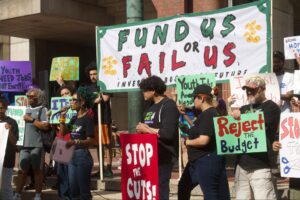
Organized thousands of residents to rally and testify at City Hall and contact City Councilors and Mayor about resident budget priorities.
As a result of our organizing the City Council amended over $11M in budget changes, $6.5M of which came directly from BBA demands.
BBA launches arts and culture committee and an Artist in Residence program
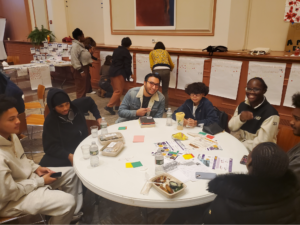
In April we launched the People's Budget campaign, conducting 10 budget workshops, outreach at 50 community events and spoke to 700 residents by early fall about their budget priorities.
In November we held our first People's Budget Assembly to decide on budget priorities for the $4.8B operating budget.

In April the BBA held a Grassroots Budget Briefing to lift up resident priorities in many issue areas and ask our City Councilors to support them in their operating budget amendments. We continued to advocate for 1% of the budget to be decided via PB.
In July, the first round of the city-wide Ideas in Action PB process kicked off with $2M. Bostonians submitted over 1200 ideas and 4,462 residents voted in January 2025.
BBA made a public call for residents to express interest in joining the PB Advisory Board and organized to get someone from that resident slate on the board.
We called for a community-city co-led PB designed to advance racial and economic justice.
We won equity criteria and goals in the design, but the city declined to design PB around repair for BIPOC neighborhoods harmed by redlining and disinvestment.
We advocated that the city dedicate at least 1% of the city budget to participatory budgeting.
Designing the PB process and writing a municipal ordinance.
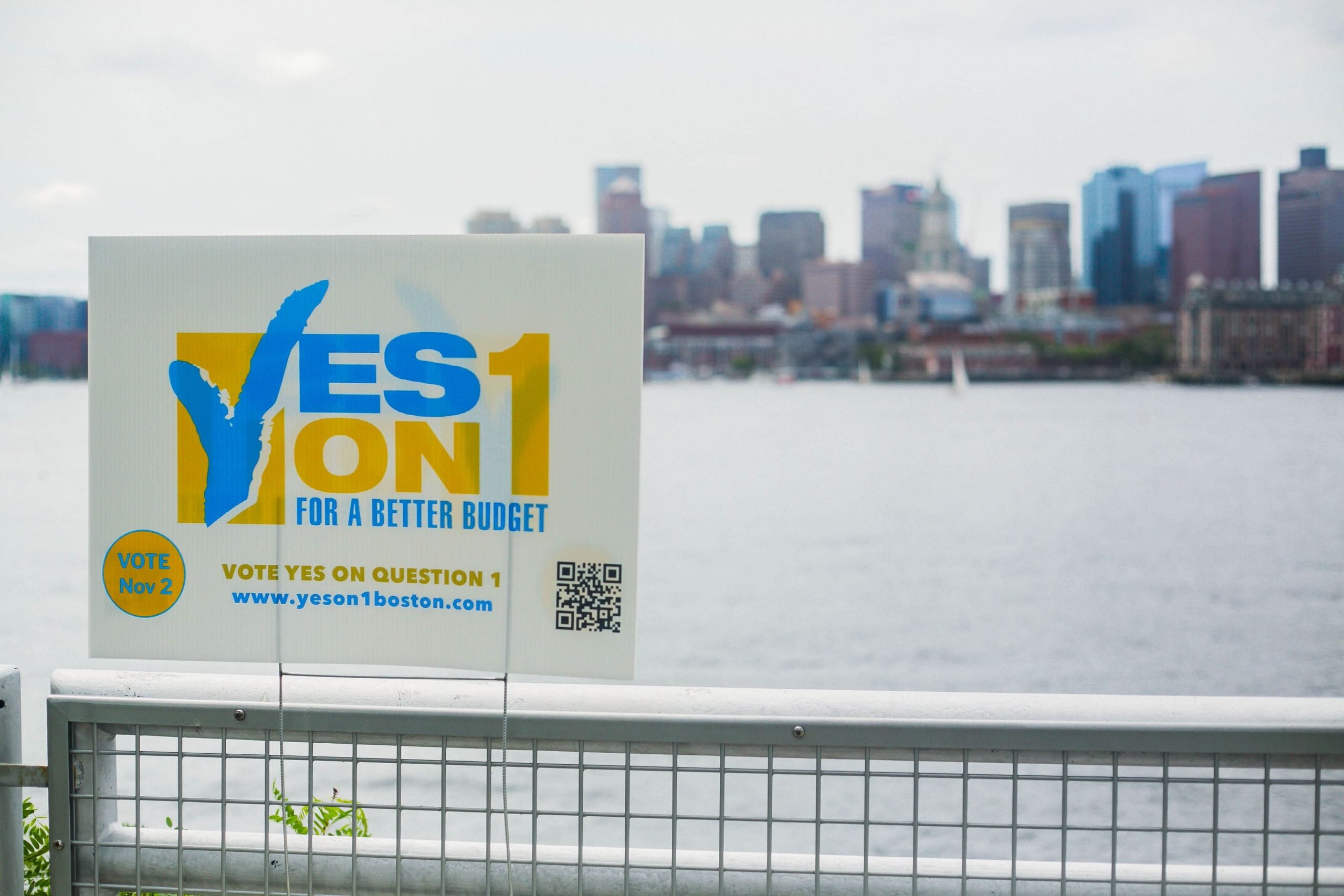
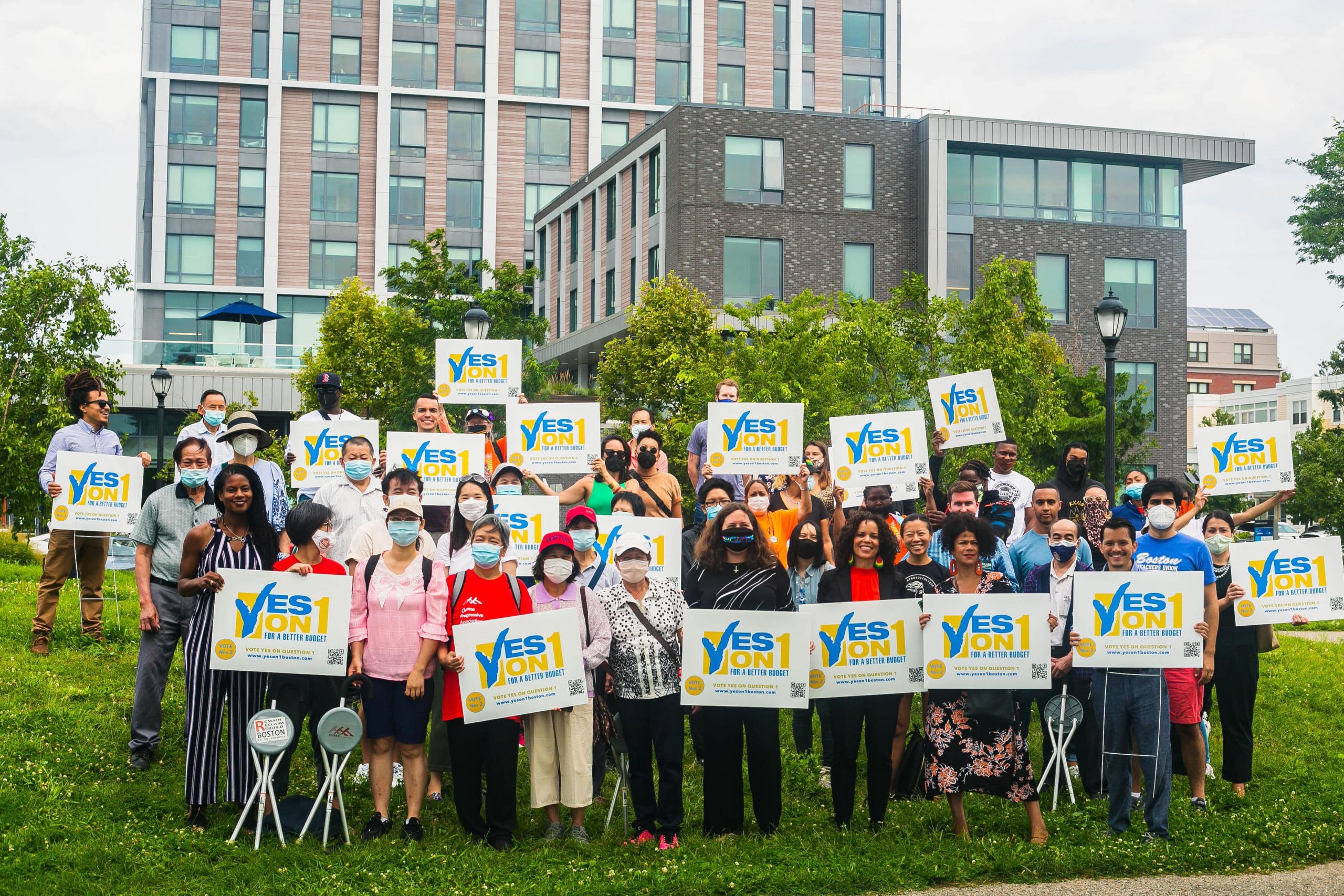
Councilor Edwards files Charter Amendment. Voters come out in masses to vote in an overwhelming majority YES on question 1. Ballot wins with 67% voter approval
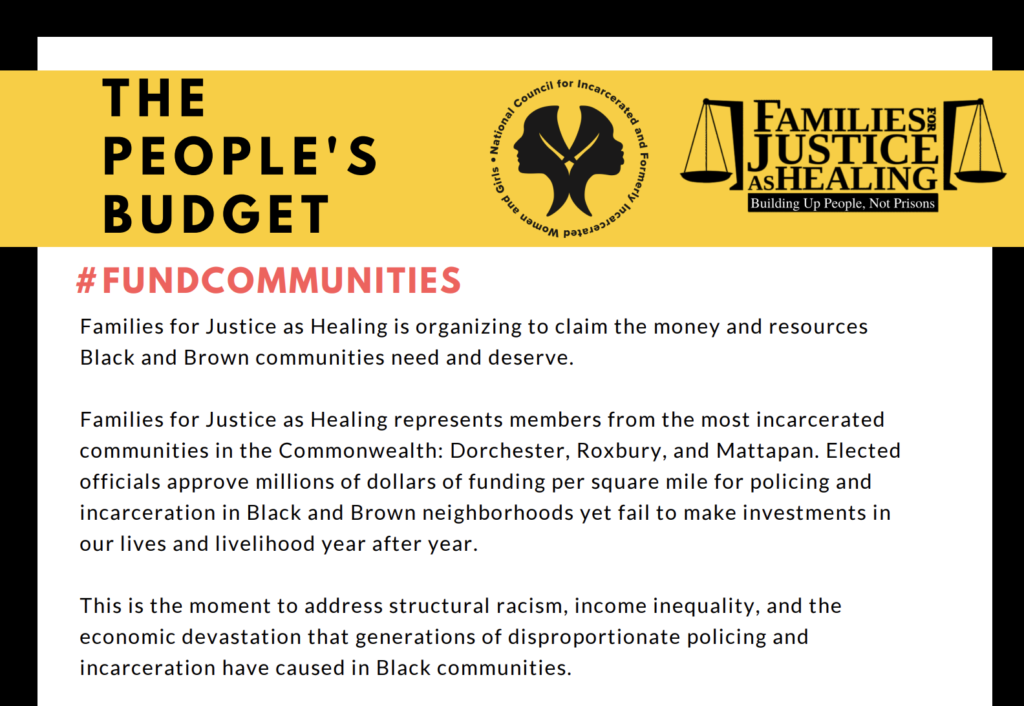
Families for Justice as Healing conducts a community survey and publishes a people’s budget calling for an initial investment of $41 million into a Community Fund to be distributed through a Black-led Participatory Budgeting Process.
#BlackLivesMatter uprisings create mass demand to #Defund, but also to reinvest through participatory budgeting.
Grassroots community organizers, researchers, and political leaders form a study group to research various ways of reforming Boston’s City Charter to increase equitable and participatory governance. This study group leads to the publication of “Rewrite the Rules: Democratizing city charters in Boston and beyond” (see Learn More).
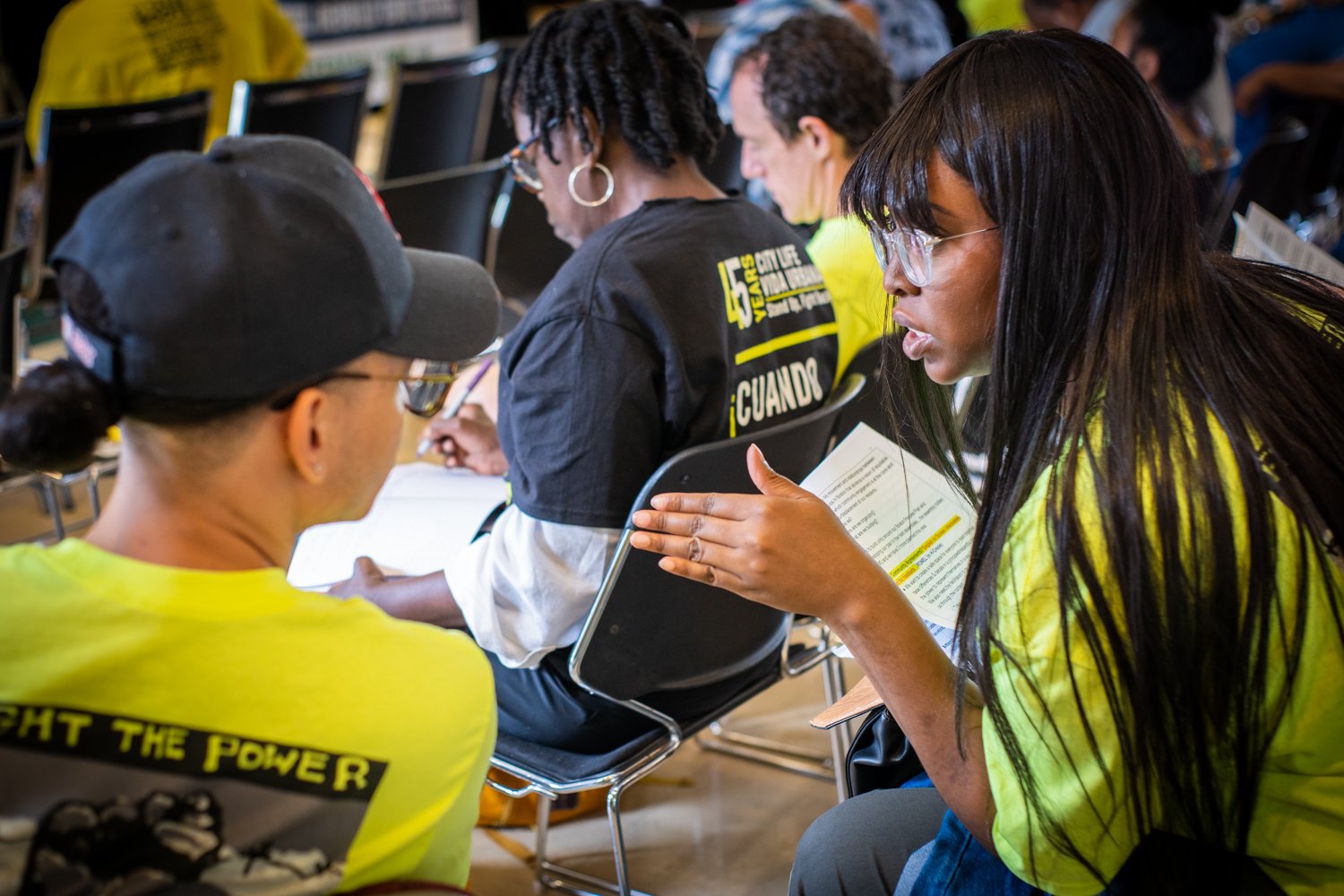
Ujima Project Project launched, practicing PB of a community investment fund.

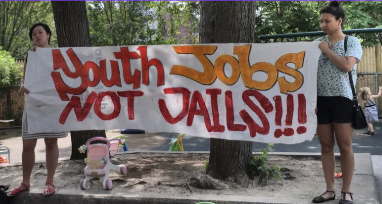
As Black Lives Matter protests grew across the country in the 2010s, Boston youth began calling in 2015 to reinvest a $324 million police budget into community needs.
YLC continues as a program of the Dept. of Youth Engagement and Employment, with leadership from the Mayor’s Youth Council.
Right to the City Boston adopted PB as part of its policy platform.
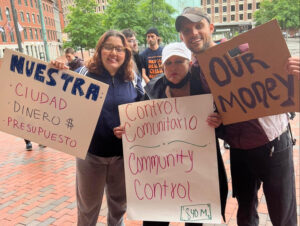
Boston Workers Alliance launched the “District Dollars” campaign to promote PB in Boston. Inspired by the yearly struggle to increase youth jobs funding, BWA members sought strategies that enable our communities to better control the budget.
 ဗမာစာ
ဗမာစာ  English
  Español de México
  Español de República Dominicana
  Español de Puerto Rico
  Español de Guatemala
  Tiếng Việt
  বাংলা
বাংলা  العربية
  (فارسی (افغانستان
  Français
  हिन्दी
  עִבְרִית
  Português do Brasil
  Հայերեն
  كوردی
كوردی  日本語
日本語  한국어
한국어  简体中文
简体中文  繁體中文
繁體中文  香港中文
香港中文  Українська
  Türkçe
  ไทย
ไทย  Русский